
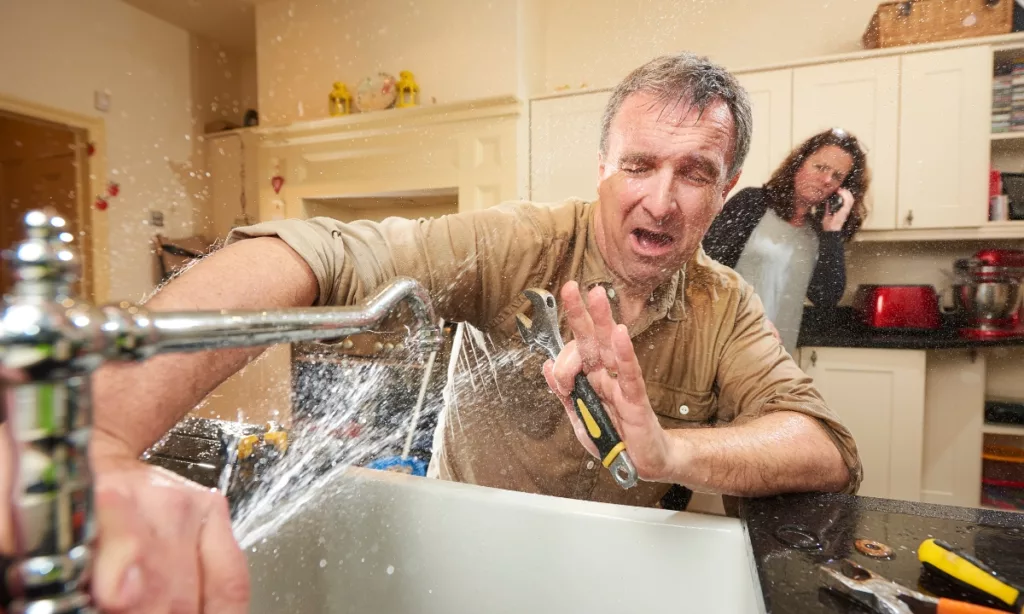
Whether it’s a clogged toilet, a leaky faucet, or even a burst pipe, plumbing emergencies never happen at a convenient time. It is critical you know what to do before you have water in places it shouldn’t be. In this post, we’ll guide you through what to do before the plumber arrives at your doorstep.
What Are Plumbing Emergencies?
Plumbing emergencies can happen at any time, and they often catch us off guard. But what exactly qualifies as a plumbing emergency? Well, simply put, it’s any sudden or unexpected issue with your plumbing system that requires immediate attention to prevent further damage or inconvenience.
- One common example of a plumbing emergency is a clogged toilet. We’ve all been there – you flush the toilet and instead of going down smoothly, the water starts rising ominously towards the rim. In situations like these, it’s important not to panic. Before calling your trusted plumber, you can try using a plunger to dislodge the blockage gently.
- Another typical plumbing emergency is a leaky faucet. A constant drip may seem insignificant, but over time it can waste gallons of water and even lead to more significant issues such as mold growth or damaged pipes. To temporarily stop the leak until help arrives, turn off the main water supply valve under your sink.
- Perhaps one of the most alarming emergencies is a burst pipe. This can cause severe flooding in your home within minutes if left unattended. In this situation, finding and shutting off your main water valve immediately should be your top priority before contacting your plumber for assistance.
Preventing Plumbing Emergencies
While some plumbing emergencies are unavoidable accidents waiting to happen due to old infrastructure or extreme weather conditions, others can be prevented by taking simple precautions. Regularly inspecting pipes for signs of wear and tear, avoiding flushing foreign objects down toilets or sinks, and ensuring proper insulation during freezing temperatures are just some preventive measures homeowners can take.
What to Do If You Have a Clogged Toilet
Dealing with a clogged toilet can be quite an unpleasant experience. But fear not, there are some steps you can take to try and resolve the issue before the plumber arrives.
It’s important not to panic. Take a deep breath and assess the situation calmly. Try using a toilet plunger to remove the clog. Put the plunger in covering the outlet area of the toilet and use a gentle “in and out” motion to loosen the clog. Be very careful if the water level in the toilet bowl is high. Some overflow may be unavoidable, but you may get the toilet unclogged and only have a wet mess to deal with.
If you have one, grab your trusty hand auger – this is often the most effective tool for unclogging toilets. Place it down into the toilet and turn the handle so it can break up anything it encounters. This should help dislodge any stubborn blockages.
If that doesn’t work, turn the water off at the toilet to prevent any water from leaking out of the toilet onto the floor. If there is already water on the floor, use towels to soak it up. At this point, you probably need a plumber.
What to Do If You Have a Leaky Faucet
Leaky faucets can be quite a nuisance, not to mention the constant dripping sound that can drive anyone crazy. If you find yourself dealing with a leaky faucet, there are a few things you can do to minimize any potential damage.
- First and foremost, turn off the water supply to the leaking faucet. This will help prevent further leakage and save water in the process. Most faucets will have a shut-off valve located underneath the sink or right next to the plumbing pipes. Turn these clockwise until they are completely closed.
- Next, you can try to carefully tighten any loose nuts or connections around the leaking area. Sometimes, a simple tightening can fix minor leaks.
- If tightening doesn’t solve the issue, try placing a bucket or container under the faucet to catch any dripping water. This will help prevent water damage to your floors or cabinets while you wait for professional assistance. It also reduces wasted water, as you can use the caught water for your plants or pets.
- In some cases, it may be necessary to temporarily seal the leak using plumber’s tape or pipe sealant. These temporary fixes should only be used until a professional plumber arrives but can provide some relief in preventing further leakage.
What to Do If You Have a Burst Pipe
A burst pipe can be a major plumbing emergency, causing significant damage to your home if not dealt with quickly. Here are some steps you can take before the plumber arrives.
- First and foremost, turn off the main water supply to prevent further flooding. Locate the shut-off valve near your water meter or where the main line enters your home. It’s important to know its location beforehand so you can act promptly in such emergencies.
- Next, open all faucets in your house to drain any remaining water from the pipes. This will help minimize potential damage and relieve pressure on the system.
- If there is standing water, use buckets or towels to soak it up and remove as much moisture as possible. Consider using a wet vacuum cleaner for larger amounts of water.
Remember that dealing with a burst pipe requires immediate action and should never be attempted as a DIY project unless you have proper plumbing knowledge and experience. Stay calm during this stressful situation; by following these steps and relying on professional help, you’ll minimize damage and get your plumbing back in working order soon.
How to Prevent Plumbing Emergencies
Preventing plumbing emergencies is essential to avoid costly repairs and inconvenience. Here are some simple steps you can take to keep your plumbing system in top shape.
- Regular Plumbing Maintenance: Schedule regular inspections with a professional plumber to detect any potential issues before they become major problems. They can identify leaks, clogs, or worn-out pipes that could cause emergencies down the line.
- Be Mindful of Everything That Goes Down Your Drains: Never flush anything that is not toilet paper down the toilet, and always dispose of fats, oils, and grease properly instead of pouring them down the kitchen sink. These items can lead to clogs and blockages.
- Keep an Eye on Water Pressure: High water pressure can put stress on your pipes and increase the chances of bursts or leaks occurring. Consider installing a pressure regulator to maintain optimal pressure levels.
- Keep Pipes Warm: Even if you live in an area that does not get below-freezing temperatures often, it is important to keep pipes warm when those cold snaps do happen. Frozen pipes can lead to extensive amounts of damage.
- Properly Maintain Your Water Heater: Regularly drain your water heater tank as sediment buildup can lead to decreased efficiency and even damage over time.
By following these preventative measures, you’ll minimize the risk of unexpected plumbing emergencies in your home – saving yourself both time and money in the long run!
What Should You Do After the Plumber Arrives?
Make sure you give the plumber all the necessary information about the issue. Be as detailed as possible about what led up to the problem and any steps you may have taken before their arrival. This will help them understand the situation better and find a solution more efficiently.
If there are any pets or children in your home, keep them away from the work area for their safety as well as to avoid any potential hindrance to the plumbers’ work.
Once the plumber has completed their work and resolved your plumbing emergency, take some time to ask any questions you had, if needed. They can provide valuable advice on how to prevent similar issues in the future or offer maintenance tips for keeping your plumbing system running smoothly.
Final Thoughts
In times of plumbing emergencies, quick action is essential to prevent further damage and inconvenience. Whether you have a clogged toilet, a leaky faucet, or even a burst pipe, it’s important to know what steps to take before the plumber arrives.
While knowing how to handle these emergencies is important, prevention is always better than cure when it comes to plumbing issues. Regular maintenance checks can help identify potential problems before they escalate into emergencies.
For routine maintenance or plumbing emergencies, you can trust Small Jobs Plumbing Inc. to get the job done right. We have years of experience dealing with plumbing emergencies and offer quick and reliable services at competitive rates. Contact us now for all your plumbing needs!